
What Is Strata Landed Housing in Singapore? A Simple Guide for Buyers

Singapore has a land problem. Not in the sense that we are running out of places to live — HDB (and GLS of new condo sites nowadays) has sorted that out pretty well. The problem is that too many people want landed homes, and there are not enough of them.
Traditional landed property — your terrace, semi-D, or bungalow — takes up a lot of land for one household. In a country where every square kilometre is accounted for, that is not very efficient. But telling Singaporeans they cannot have a house with stairs, a yard, and a proper front door? Also not going to go down well.
So strata landed housing exists as the compromise. You get the house. You just share the land.
Let me break down what this really means, why the 2012 rule change matters more than most buyers realise, and whether strata landed is actually worth buying.
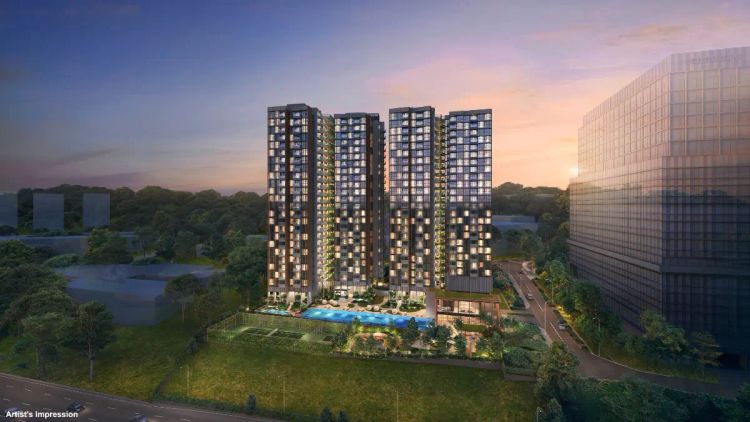
And you know what ? In July 2026, there will be 3 new strata landed terrace houses for sale in a new development in Lentor. That's the Lentor Gardens Residences. Yes, the very special Lentor GLS site that compared to the rest of Lentor launches.
What Is Strata Landed Housing, Exactly?
A strata landed home is a landed-style house — think terrace, cluster house, or townhouse — inside a strata-titled development.
You are a HOUSE in a CONDO. GET IT 🤣..... jin SATKI... 😎
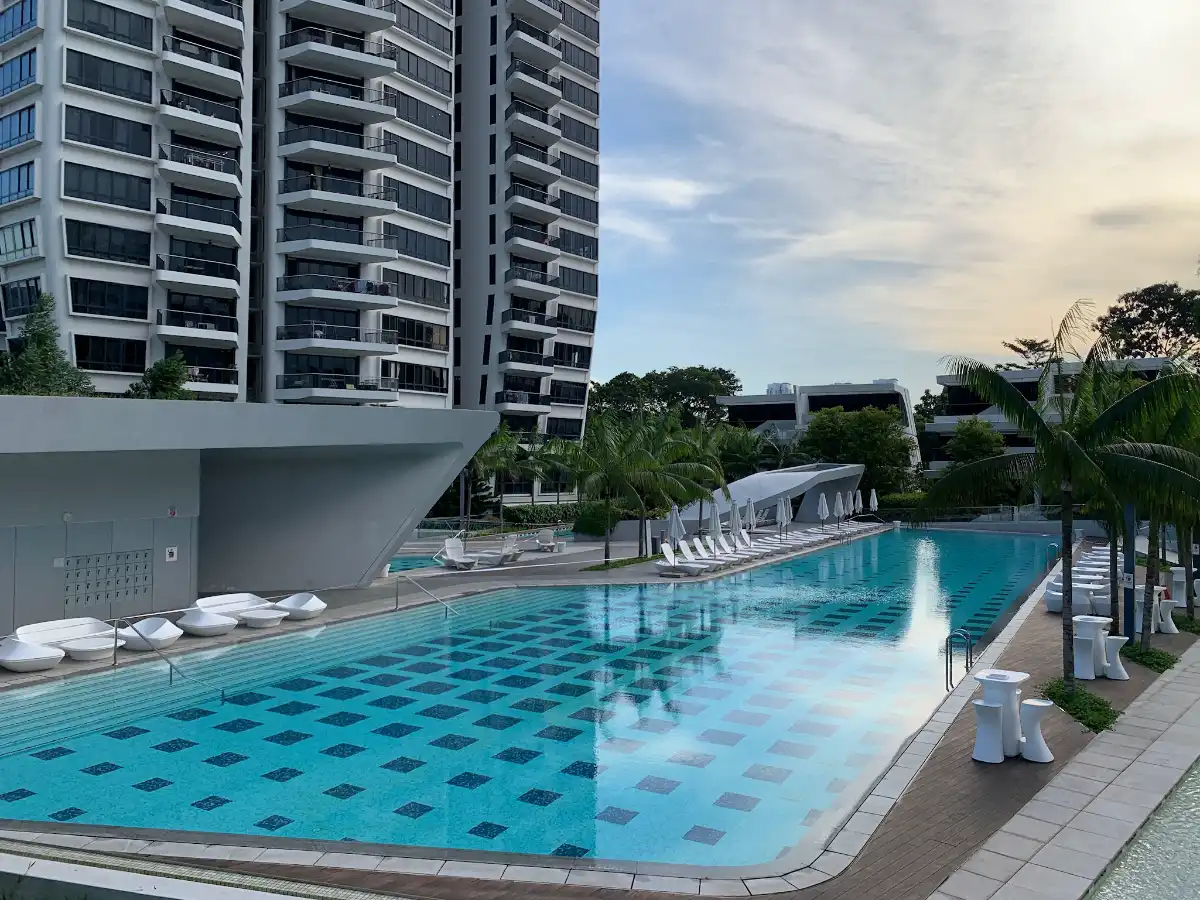
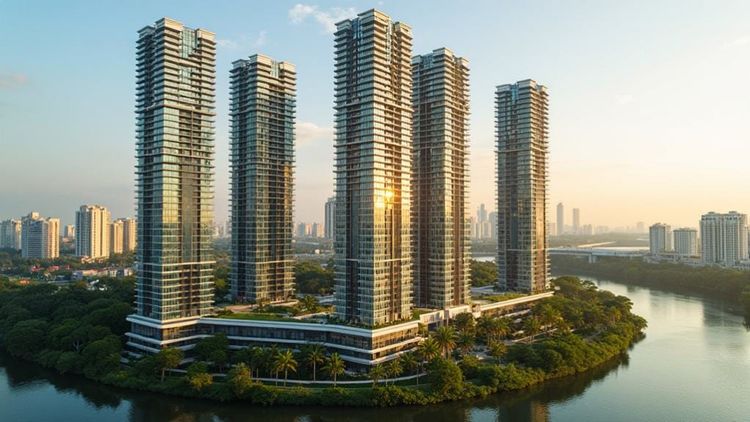
One of the nicest strata landed homes in Singapore that I have seen is the D'Leedon. My favourite Condo in Singapore actually.
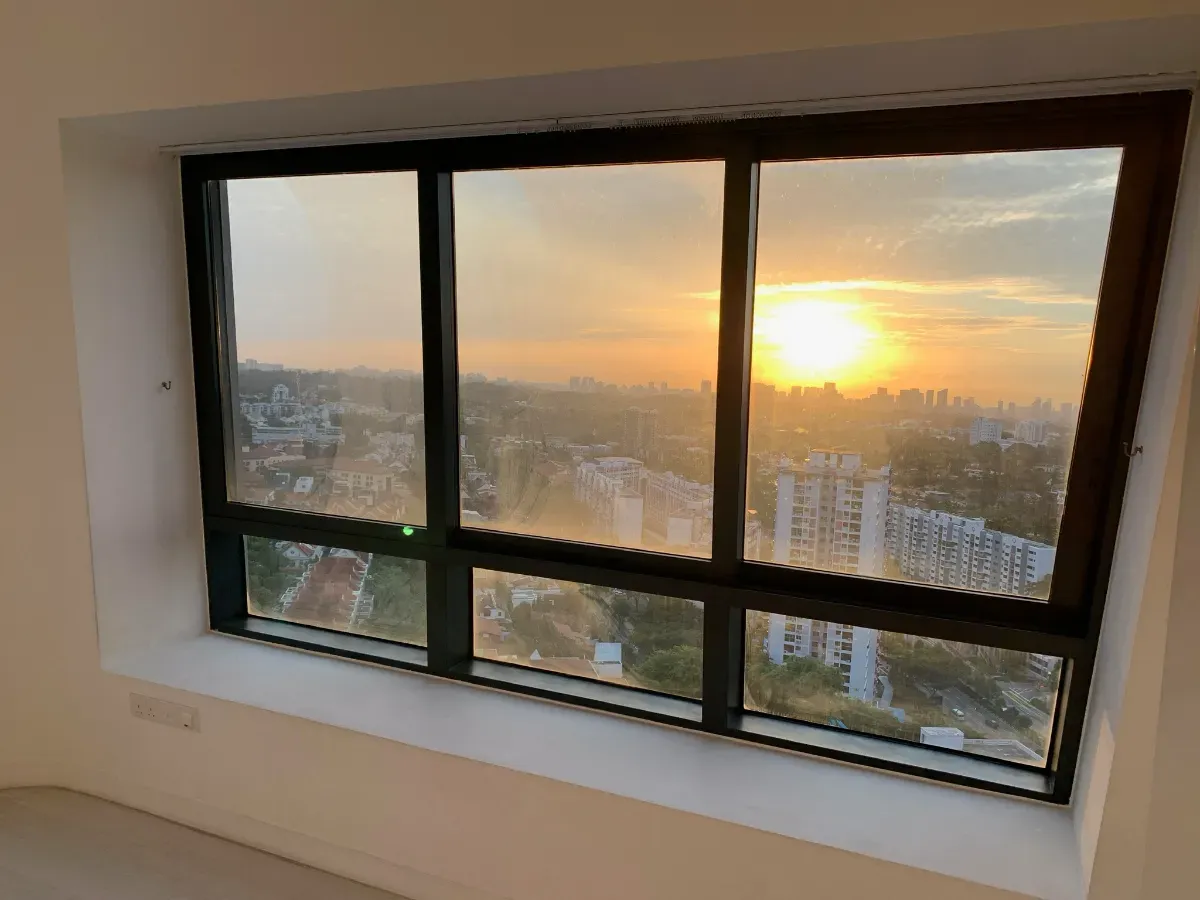
You own your unit. You share the land and common areas with everyone else in the estate. The whole development is run by an MCST (Management Corporation Strata Title), the same body that manages condominiums.
So yes, you have your own front door, your own staircase, your own private parking. You may have a basement, a roof terrace, even a private lift in newer developments. It really does feel like a house.
But legally? You are a strata owner. Not a landed property owner in the traditional sense. That distinction matters more than most people realise when they first look at these homes.
Why Does This Type of Housing Even Exist?
Pure land efficiency.
A traditional detached bungalow on 5,000 sqft of land houses one family. A cluster housing development on the same footprint might house eight to twelve families, each with their own multi-storey unit, private entrance, and shared facilities.
From URA's perspective, that is a much better use of scarce land. From a buyer's perspective, it creates an option that sits between a condo and a landed home — a category of living that has real demand.
The appeal is obvious for larger families. A standard condo unit, even a 4-bedroom, can feel cramped when you have kids, elderly parents, a helper, and a home office all under the same roof. Traditional landed is an option, but it brings full maintenance responsibility — you own everything, you fix everything.
Strata landed gives you the space without the full maintenance headache. The estate handles security, landscaping, common repairs, the pool, the gym.
You just live in it. Song Song !

The Critical Difference From Traditional Landed
This is where buyers sometimes get a shock.
Many people look at a cluster house, fall in love with the space, and assume they are basically buying a landed property with condo perks. Not quite.
With a traditional landed home, you generally have significant freedom to rebuild, extend, or renovate — subject to planning rules, of course, but largely on your own terms.
With a strata landed home, the MCST controls what you can and cannot change on the external appearance of your unit. You probably cannot repaint your facade a different colour. Cannot change the windows to a different style. Cannot alter the roof or balcony railing without approval. Cannot touch common walls, shared services, or structural elements without going through the proper process.
The inside? Mostly yours, within reason. The outside? Shared decision.
Some owners find this frustrating. They wanted a house, they got a house, but now they need committee approval to change their front gate. That tension is real and worth knowing before you sign anything.
How Strata Landed Developments Are Run
The MCST runs the estate. Owners elect a management council from among themselves, and the council makes decisions on maintenance, spending, by-laws, and renovation approvals.
Your monthly fees go into two funds:
- Management fund — day-to-day expenses: security, landscaping, cleaning, utilities for common areas
- Sinking fund — big-ticket future expenses: repainting, roof replacement, major equipment, structural works
How much you pay depends on your share value. Bigger unit = higher share value = more fees. And in strata landed homes, the units are LARGE, so the fees are not small. Expect to pay meaningfully more per month than a typical apartment owner in the same estate.
The upside of higher share value? More votes at general meetings. When the MCST is debating whether to repaint the whole development or upgrade the gym equipment, the strata landed owners — who are often the biggest contributors — have real say.
The downside? You are also the ones who bear the biggest chunk of any special levy if something expensive needs fixing. There is no free lunch here, hor.
Condo vs Apartment: Why the Classification Actually Matters
Here is something many buyers gloss over.
In Singapore, "condominium" is not just a casual word — it is an official URA classification. To be called a condominium, a development has to meet certain criteria: minimum site area, open space, facilities like a pool, adequate landscaping, and so on.
An apartment is the broader category. All condominiums are technically apartments, but not all apartment developments are classified as condominiums.
This distinction became very important in 2012. And it is why some strata landed units today are significantly more valuable than others — even if they look identical on the surface.
The 2012 Rule Change: The Most Important Thing To Know
Before 2012, developers could mix strata landed homes together with regular apartment units inside a single condominium-status development.
Because the overall project had condominium status, the strata landed units inside it were treated like condo units for ownership purposes. That meant foreigners could buy them — without needing special approval from the Land Dealings Approval Unit.
This was, effectively, a backdoor into Singapore's landed housing market.
And people used it. By 2011, foreigners reportedly made up a very large share of buyers in these strata landed units within condo developments. For a country that deliberately restricts foreign access to landed property, this was a problem.
So in April 2012, URA shut the backdoor.
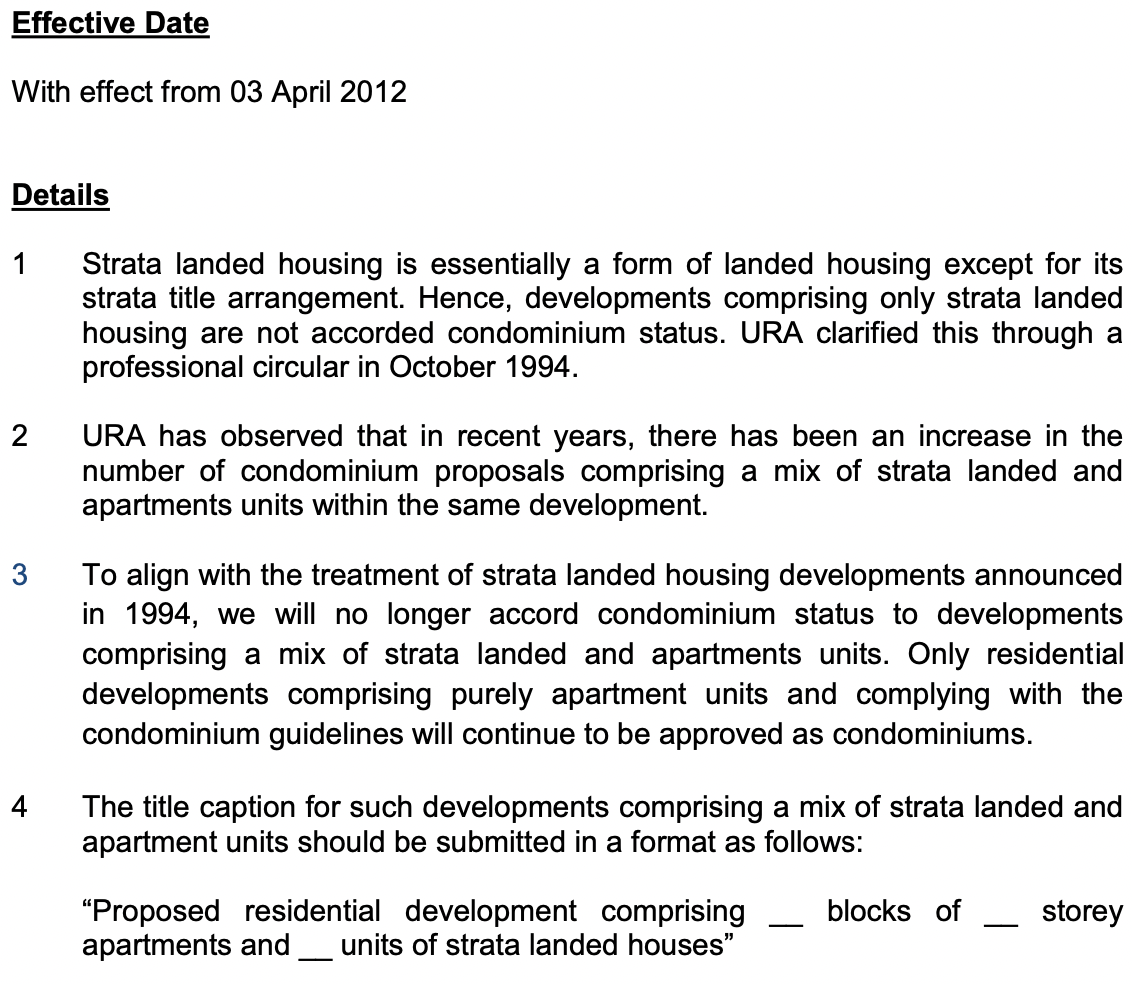
The new rule: any new development that mixes apartment units with strata landed houses would no longer receive condominium status. It would be classified as an apartment development instead.
The consequence: those strata landed units would become restricted property. Foreigners and PRs would generally need approval to buy them — the same kind of approval required for traditional landed homes.
For new projects from 2012 onwards, this largely closed off foreign demand for strata landed homes. Big policy shift. Buyers who were paying attention made note.
Why "Legacy" Strata Landed Units Are a Different Beast
Here is where it gets interesting.
The 2012 rule applied to new projects. Developments that already had condominium status or had received their approvals before the rule change could generally keep that status.
This created a category of older "legacy" strata landed units — homes in developments that still carry condominium classification. Because of this, they remain more accessible to foreign buyers compared with newer restricted strata landed homes. That means foreigners can buy landed ! 😃
Developments like d'Leedon, Archipelago, and Seahill are examples the market often discusses. Their strata landed units attracted strong interest precisely because of this status — a landed-style home that foreign buyers could actually access without needing special approval. That is not something new launches can replicate.
In property, genuine scarcity usually means something for long-term value. This is one of those cases.
The Foreign Ownership Rules in Plain Terms
Singapore does not allow foreigners to freely buy landed residential property on the mainland. They need approval from the Land Dealings Approval Unit, which is typically only granted in exceptional circumstances.
After 2012, most newer strata landed homes are classified as restricted property. That means foreigners and PRs generally need the same type of approval.
For Singapore citizens buying strata landed homes, this can be an advantage — fewer competing buyers in the new launch market. But it cuts both ways. When you eventually sell, your buyer pool is also more restricted. Less competition among buyers = more pressure on your asking price.
This is one reason strata landed homes can have more uneven resale performance compared with mainstream condos. The lifestyle is good. The resale pool is narrower.
The Honest Pros and Cons
Why buyers like strata landed:
Space, first and foremost. You are getting a proper multi-storey home — multiple bedrooms, family areas, private parking, sometimes a basement or roof terrace. This is a completely different lifestyle from a condo unit. BIG BIG difference.
Managed maintenance. Unlike a traditional landed home, you are not personally calling contractors for every problem. The MCST handles the common property, and you enjoy the results.
Security. Most strata landed estates are gated with 24-hour guards. Good for families with young children or elderly parents.
Facilities. Pool, gym, landscaped gardens — without personally maintaining any of it.
Potentially lower entry price than traditional landed. In some locations and configurations, you can access a strata landed home at a lower quantum than an equivalent traditional landed house. Not always, but it does happen.
What gives buyers pause:
Less control than traditional landed. External changes go through the MCST. If you want to be lord of your own castle — paint it whatever colour, rebuild as you like — traditional landed is a better fit.
Maintenance fees are not cheap. Larger unit, higher share value, bigger monthly bill. Budget for this properly and do not get surprised later 😦
MCST politics are real. Any time you have a group of owners collectively making decisions, you will have disagreements. Strata landed developments are no exception. Bring patience.
Smaller resale buyer pool. Restricted property status limits who can buy, which affects your exit options and negotiating position.
Lease decay for leasehold projects. If the land is 99-year leasehold, the clock is ticking. An older strata landed development on leasehold land needs especially careful valuation before you commit.
Renovation: Read the By-Laws First. Seriously.
Before you plan any renovation that touches the external appearance of the unit, get the MCST by-laws and read them. Do this before you engage an ID. Before you get excited about that new window design you saw on Pinterest.
Things that typically need MCST approval — or may be outright prohibited:
- Changing windows or window frames
- Altering the facade, wall finishes, or exterior colour
- Modifying the roof or rooftop areas
- Adding or changing balcony railings or external fixtures
- Works that touch common walls or shared services
There have been real disputes in Singapore where owners carried out renovation works affecting common property, only to face MCST action afterward. Not fun and not cheap.
The inside of your unit is mostly yours to do what you want, within building regulations. The outside is a collective matter. Treat it that way.
Is Strata Landed a Good Investment?
Let me give you a straight answer instead of the usual "it depends on your situation" non-answer that helps nobody.
Legacy strata landed units with condominium status — especially in well-located developments — have a genuine investment case. Scarcity is real, foreign buyer accessibility sets them apart, and the landed-style living at condo classification is simply not reproducible under current rules. Worth studying carefully if you can find one.
Newer restricted strata landed homes — the investment case is harder. Narrower buyer pool, higher maintenance fees, and the general illiquidity of the segment mean you need very strong conviction on location and demand before buying purely for capital appreciation. Do not assume it will behave like traditional landed in terms of price growth.
For owner-occupiers — especially families who genuinely need the space and want managed living — strata landed can be a good choice. Just go in clear-eyed about the fees, the renovation restrictions, and the resale dynamics. Eyes open, no surprises.
The mistake is buying strata landed thinking it will perform like traditional landed. It is a different product, the market treats it differently, and it attracts a different type of buyer.
Who Should Actually Consider Strata Landed?
This type of housing makes the most sense for:
- Larger families who have outgrown condo living but do not want the full maintenance burden of traditional landed
- Multi-generational households who need real space for multiple generations under one roof
- Buyers who value gated security and professionally managed facilities
- Citizens who want landed-style space and can comfortably absorb the maintenance fees
- Buyers interested in legacy units specifically for their unique condominium status and foreign buyer eligibility
It makes less sense for:
- Buyers who want full renovation and rebuilding freedom
- Investors who need strong liquidity and a wide resale pool
- Buyers who are stretched on monthly cash flow — the fees will not get smaller
The Bottom Line
Strata landed housing exists because Singapore has too little land for everyone who wants a landed home. It is an honest compromise — you get the space and the house-like feel, but you give up some autonomy and accept shared ownership, MCST rules, and ongoing fees.
For the right buyer, especially a larger family that wants more space and managed living, this is a genuinely attractive option. The lifestyle is real. The space is real.
For investors eyeing legacy units with condominium status, the scarcity angle is worth taking seriously — but do your homework on fees, location, and resale history first.
Just do not walk into a strata landed purchase expecting a traditional landed experience. It is not. It is something in between. And the buyers who do best are the ones who understand exactly what "in between" means before they sign the OTP.
Any questions on specific developments or whether a project you are looking at qualifies as a legacy unit, drop me a message lah.
And remember to check out the three strata landed houses in Lentor Gardens Residences. The 3 strata terrace homes at Lentor Gardens Residences are rare landed-style units within the development.
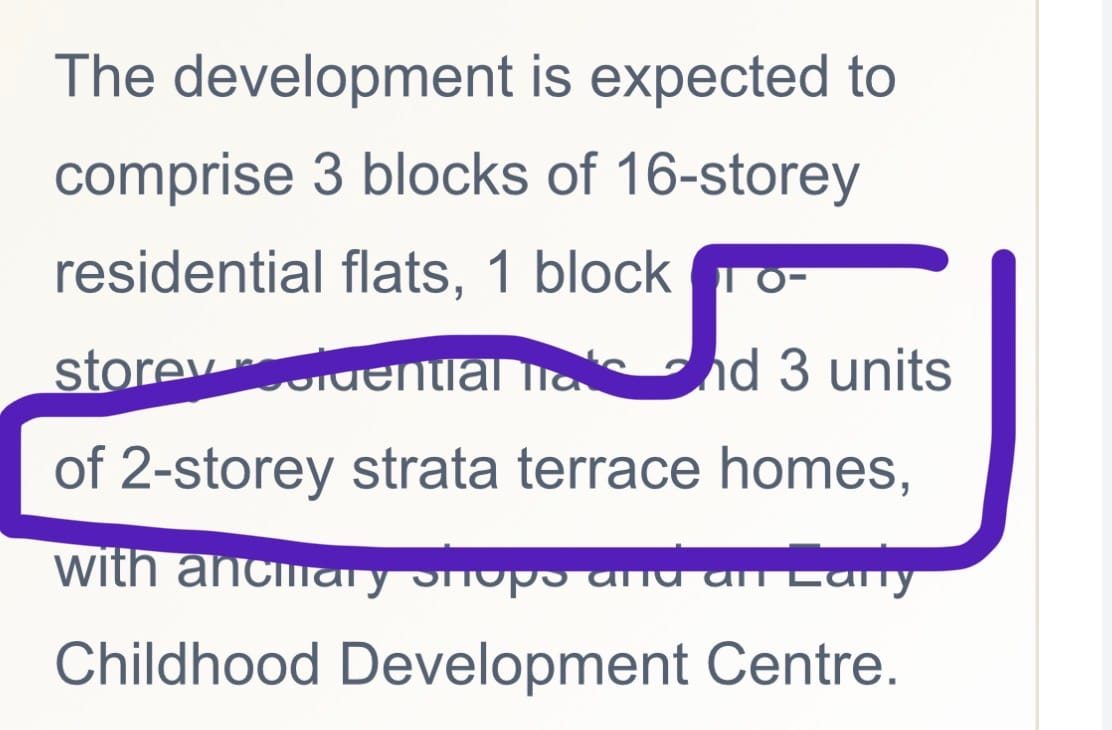
However, buyers should note that strata terrace homes may be subject to different ownership rules from standard apartment units. Foreign buyers and Singapore PRs should seek legal advice and confirm LDAU approval requirements before committing to purchase.


Member discussion