
Higher Occupancy Cap for HDB, Private Home Rentals Extended Until End-2028 to Meet Strong Demand
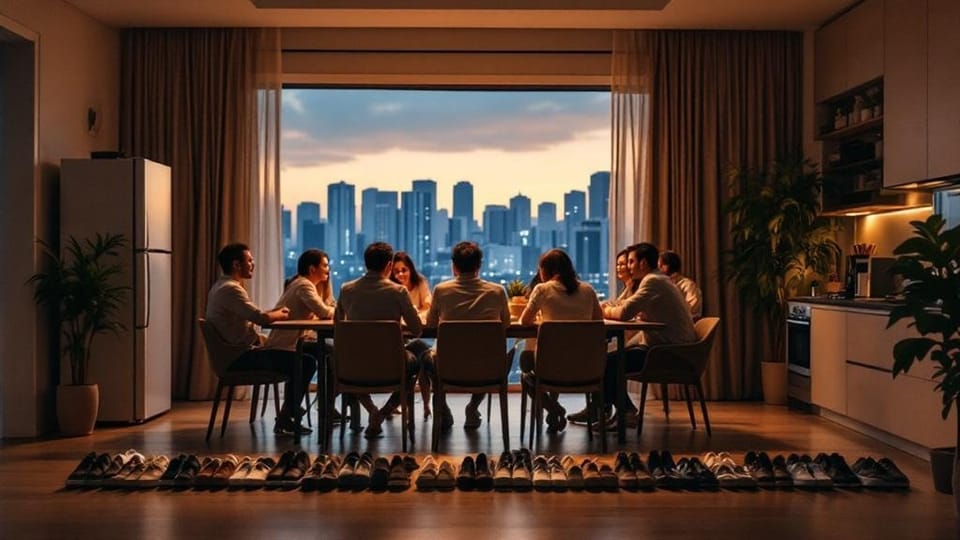
To tackle Singapore's sizzling rental demand, authorities have extended the occupancy cap until the end of 2028, permitting up to eight unrelated tenants in larger properties. This relief applies strictly to four-room HDB flats and private homes exceeding 90 square meters, effectively accommodating bigger households.
Check out the HDB press release on this. URA also has issued its own press release to support this PRIVATE properties leasing rule.
Owners must register via URA or HDB portals to legitimise these arrangements, preventing legal headaches. Please don't anyhow here 😄
Rental Occupancy Cap Extended Through 2028
While the rental market has certainly kept everyone on their toes, the government has moved to extend the higher occupancy cap for both HDB flats and private homes until December 31, 2028.
This decision, originally a temporary measure to accommodate strong housing needs, guarantees communities remain accessible for those seeking a place to call home. Effective property management becomes vital here, as families and individuals navigate these extended opportunities together. Authorities plan to review these rules based on future market conditions, ensuring the system supports everyone fairly.
When drafting new tenancy agreements, landlords and tenants can now breathe easier, knowing stability is secured for the long term. This extension creates a shared sense of relief, helping neighbours connect and thrive within established neighbourhoods.
New Limits: Up to Eight Unrelated Tenants
Building upon the confirmed timeline, specifics regarding household sizes present new opportunities for landlords and tenants alike. Previously restricted to six individuals, current regulations now invite up to eight unrelated persons to share a roof, effectively fostering even broader circles of community and connection within the home.
This hospitable policy adjustment, running firmly through late 2028, addresses heightened demand by expanding access to meaningful shared living arrangements. For private owners hoping to legally cultivate these larger households, registering with the URA remains a non-negotiable step. Naturally, welcoming considerably more residents requires diligent rental management to successfully maintain domestic harmony.
Extensive tenant screening becomes essential, ensuring that this expanded group meshes well, creating a cohesive, inclusive environment where everyone feels that they truly belong. The increased occupancy limits may also influence rental yields in a market already affected by cooling measures targeting foreign investment.
Which HDB and Private Properties Qualify?
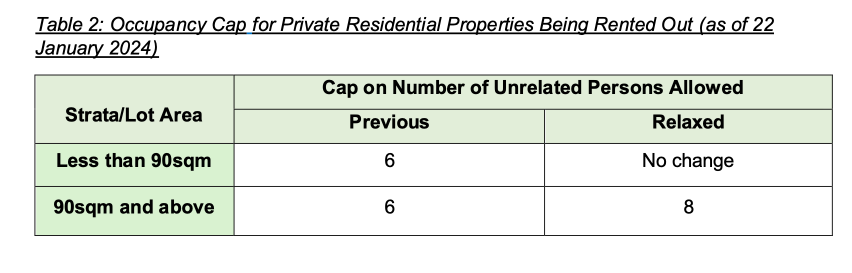
Exactly where can these larger groups legally settle down? The updated policy welcomes four-room and larger HDB flats, alongside spacious private residential homes of at least 90 square meters.
See the number 8 in the 4-room and larger section ? 😃
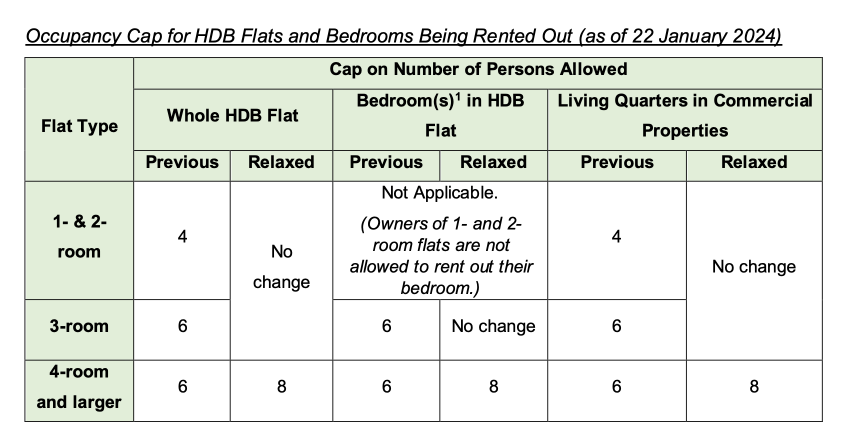
Only properties properly registered with URA or approved by HDB may host eight unrelated people, turning mere houses into shared homes. Landlord responsibilities involve verifying these dimensions, while diligent tenant screening fosters a safe, compatible atmosphere for all residents involved.
Procedure for Registering Private Homes With URA
How does a property owner officially secure the green light for a bustling household of eight? First, owners of private homes exceeding 90 square meters must navigate the URA website to declare their inclusive intentions to rent to groups.
This digital process helps build a safe, recognized community for renters seeking true belonging. Beyond rigorous tenant screening, owners confirm that their property taxes status remains clear by formally registering current occupancy.
A good agent will be able to help you (as a landlord) with these procedures.
This crucial administrative step authorizes the housing of eight unrelated individuals, fostering a vibrant shared environment. However, should tenants change, owners must promptly update registration details, ensuring the home remains a valid, legal, warm sanctuary for everyone.
Procedure for HDB Flat Approval Applications
Where do owners of public housing turn when seeking similar permissions for larger groups? They turn to HDB's e-services platform, applying to legally welcome up to eight tenants. Applicants must provide current lease documentation, confirming valid occupancy details explicitly. During this stage, thorough tenant screening remains essential to ensure the arrangement fosters true community rather than disruption.
Similar to private property transactions, rental arrangements require careful attention to stamp duties and legal documentation to ensure compliance with Singapore's property regulations.
Will the Cap Be Extended Again After 2028?
Looking past the current deadline, the path forward remains uncertain because authorities have not committed to maintaining the higher occupancy cap beyond December 2028.
Future decisions depend entirely on evolving supply levels and rental needs, highlighting policy implications for tenants. While market forecasts currently guide these temporary extensions, the lack of permanence affects how residents plan their lives together.

Member discussion